Personalized Medical Care & Dedicated International Patient Concierge

Medical Guide
Rejuran Healer in Korea: How Polynucleotides Work
Rejuran Healer Korea explained for US patients: what polynucleotide skin boosters do, who they suit, the four-session schedule, and who should not have them.
Schedule a ConsultationRejuran Healer in Korea: How Polynucleotides Work
Medically reviewed by Dr. Seung-hwan Lee, Family Medicine Specialist & Dermatology Doctor, Representative Director, Plan Me Clinic
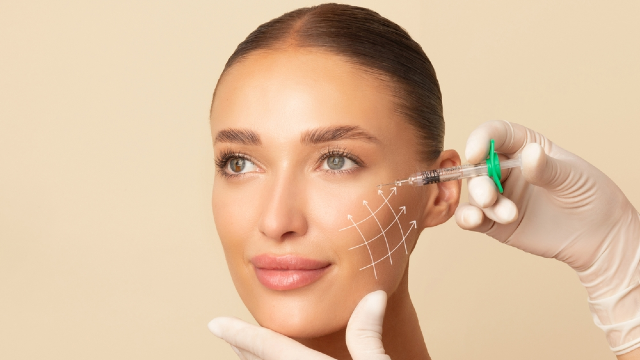
Rejuran Healer Korea searches usually land on before-and-after grids, which skip the part that actually decides whether the treatment is right for you. A polynucleotide skin booster treatment is not a filler and does not work like one. Rejuran Healer is a skin-regenerating injectable that uses PN — polynucleotide — derived from purified salmon DNA, and its stated purpose at Plan Me Clinic is to support skin regeneration, improve elasticity, increase skin thickness and help restore skin structure. That is a different objective from adding volume, and it comes with a different timeline and a longer list of reasons to postpone.
Regeneration versus volume: the distinction that matters
A volumizing filler occupies space. A regenerative injectable aims to change the quality of the tissue it is placed into.
That difference is easiest to see against hyaluronic acid, the most familiar injectable material. NCBI Bookshelf's StatPearls chapter on hyaluronic acid notes something often left out of filler marketing: beyond filling, hyaluronic acid preparations have been shown to increase collagen production and to affect the shape and behavior of fibroblasts, the cells that build the skin's supporting matrix. So the two categories are not strictly separate — but their primary intent is.
Rejuran Healer's intent, as Plan Me Clinic describes it, sits squarely on the tissue-quality side: improved skin thickness, elasticity, firmness, texture, hydration and overall skin quality, with gradual regenerative improvement. The clinic's approved description of what the treatment supports includes promoting fibroblast activity, supporting collagen generation and increasing moisture retention.
US patients who look for this specifically tend to be describing skin thinning, reduced elasticity, fine lines, dull tone and sun or environmental damage, and to be looking for regenerative improvement rather than a volumizing filler.
Why aging skin is a slower repair project
There is a physiological reason the schedule is spread out rather than compressed.
MedlinePlus, the patient-education service of the U.S. National Library of Medicine, states in its overview of aging changes in skin that wound healing in older skin may be as much as four times slower. That single figure reframes the whole treatment plan. If the mechanism you are trying to recruit is the skin's own repair and rebuilding activity, and that activity has slowed, then results cannot arrive on the schedule of a procedure that simply adds material.
The structural context helps too. NCBI Bookshelf's StatPearls chapter on the histology of skin sets out that skin has three main layers: the epidermis, the dermis and the hypodermis, also called subcutaneous fat. A regenerative injectable delivered by fine needle is working within that three-layer architecture, which is why an assessment of how thick and how elastic your skin currently is comes before any injection.
What the consultation reviews before anything is injected
At Plan Me Clinic, Dr. Seung-hwan Lee evaluates skin thickness, elasticity, treatment history and previous cosmetic procedures before designing a treatment schedule. Planning is individualized on that basis rather than delivered as a standardized injection package.
Treatment history carries real weight here, not just as a formality. Previous filler, Sculptra, Ellanse or fat grafting treatments may interact with Rejuran Healer, and the clinic states these should be reviewed and discussed during consultation. Rejuran Healer should also not be injected into areas previously treated with non-absorbable fillers, or recently treated with other dermal fillers.
This is the practical reason to bring an accurate history rather than an approximate one. If you have had injectables before, what was used and where changes what can safely be planned now.
Who should not have Rejuran Healer
Plan Me Clinic's unsuitability list for this treatment is unusually detailed, and it deserves to be read in full rather than summarized away:
- Pregnancy or breastfeeding
- Known hypersensitivity to sodium polynucleotide or other components of the product
- Active infection or inflammation at the planned treatment site
- Certain allergic or autoimmune diseases
- Granulomatous conditions
- Osler's endocarditis
- Current use of NSAIDs, antiplatelet agents, anticoagulants or immunosuppressants
- Areas previously treated with non-absorbable fillers, or recently treated with other dermal fillers
The clinic adds that suitability should be confirmed by a qualified medical professional after reviewing your medical history, medications, allergies and the intended treatment area. The medication entries in particular catch people out, because over-the-counter anti-inflammatory use is easy to forget to mention.
The session, and the four-visit course
Each Rejuran Healer session at Plan Me Clinic typically takes 5 to 10 minutes. The full sequence runs consultation, skin assessment, optional numbing cream, PN injection using a fine needle, immediate aftercare, then follow-up sessions.
Anesthesia is not required. A topical numbing cream may be applied if you would prefer it.
The recommended course is 4 sessions spaced 2 to 3 weeks apart. Results develop gradually across that course as collagen production and fibroblast activity increase, and the clinic describes optimal results as generally arriving after the series is completed rather than after any single visit.
Downtime is minimal. Most people resume normal daily activities immediately after each session, and aftercare amounts to returning to ordinary activity and keeping to the recommended schedule.
Reported side effects are temporary redness, swelling and mild injection-site reactions. Results vary between individuals.
What the six-to-nine-week span means for a trip from the US
Do the arithmetic on the recommended schedule and the planning problem becomes obvious. Four sessions spaced 2 to 3 weeks apart spans roughly six to nine weeks end to end. That is longer than most people spend in Korea on a single visit, so the sequencing is worth settling with the clinic before you book flights rather than after.
An online consultation is possible, which is the sensible first step if you are working out whether the course fits your calendar at all. Plan Me Clinic's primary channel for that is its consultation and inquiry page, and the clinic is located on the 7th floor of Apex Tower, 513 Seolleung-ro, in Gangnam-gu, Seoul, a short walk from Seolleung Station.
The individual sessions themselves are short — 5 to 10 minutes each, with minimal downtime and an immediate return to normal activity — so the constraint is the spacing between them, not the appointments.
Moisture retention, thickness and what "skin quality" actually refers to
"Skin quality" is a vague phrase in most marketing, so it is worth being concrete about the specific properties Plan Me Clinic names. The stated aims are increased skin thickness, improved elasticity and firmness, better texture and tone, increased moisture retention, promotion of fibroblast activity, support for collagen generation, and help restoring aging or damaged skin structure.
Read against the anatomy, those are dermal properties rather than surface ones. Of the three layers NCBI Bookshelf's skin histology chapter identifies, it is the dermis where the collagen and fibroblast activity being targeted here takes place. A treatment aimed at thickness and elasticity is therefore working below the level that a topical product can reach — which is the honest argument for an injectable, and also the reason its effects build slowly rather than appearing overnight.
PN and PDRN are not the same thing
You will see both abbreviations used loosely, sometimes interchangeably. Plan Me Clinic draws the line clearly: PDRN is described as focusing on anti-inflammatory action and acute tissue repair, while the PN in Rejuran Healer is intended for longer-term structural skin regeneration and elasticity improvement.
If your concern is a short-term inflammatory or repair problem, that is a different target from gradually rebuilding thin, slack skin. Knowing which of the two you are actually asking about makes the consultation shorter and more useful.
The rest of the plan is not injectable
The American Academy of Dermatology's guidance on wrinkle remedies is worth putting alongside any in-clinic course, because it addresses the part you control between sessions. The AAD advises using a sunscreen or facial moisturizer with broad-spectrum protection and an SPF of at least 30, on the grounds that sun exposure accelerates the visible signs of aging. It also makes the case for moisturizing, which traps water in the skin and can reduce the appearance of some fine lines and leave the complexion looking brighter.
None of that replaces a regenerative treatment. It does protect what the treatment is trying to build, which is the point of mentioning it.
A more general safety note applies to every injectable, from any clinic and in any country. The U.S. Food and Drug Administration advises working with a licensed health care provider who is experienced in injecting dermal fillers, knowledgeable about the products and about facial anatomy, capable of managing complications, and — the FDA's own emphasis — who tells you the risks and benefits before treatment. The FDA also warns against buying or using lip or facial fillers sold directly to the public. Both points are good tests to apply to any provider you are considering.
Where Plan Me Clinic fits
Plan Me Clinic is a dermatology and aesthetic-medicine clinic in Gangnam, Seoul, led by Dr. Seung-hwan Lee, a Family Medicine Specialist and Dermatology Doctor who earned his Bachelor's, Master's and Ph.D. degrees from Korea University College of Medicine and completed his internship, residency training and specialist qualification in Family Medicine at Korea University Medical Center.
For Rejuran Healer specifically, what that means in practice is a physician-led consultation in which skin thickness, elasticity and prior treatment history are assessed before a schedule is set, rather than a fixed number of sessions sold up front. You can read patient accounts on the clinic's customer reviews page and more about the clinic on its about us page.
The Bottom Line
- Rejuran Healer uses PN, or polynucleotide, derived from purified salmon DNA, and targets skin regeneration, elasticity and thickness rather than added volume.
- The recommended course is 4 sessions spaced 2 to 3 weeks apart, each taking about 5 to 10 minutes, with results building across the series.
- The unsuitability list is long and specific — pregnancy and breastfeeding, hypersensitivity to sodium polynucleotide, active infection at the site, certain autoimmune and granulomatous conditions, Osler's endocarditis, and current NSAID, antiplatelet, anticoagulant or immunosuppressant use.
- Prior filler, Sculptra, Ellanse or fat grafting history must be reviewed, and previously non-absorbable-filler-treated areas are excluded.
- MedlinePlus notes that healing in aging skin can run up to four times slower, which is the honest reason a regenerative course is spread over weeks.
Frequently Asked Questions
Who is a good candidate for Rejuran Healer?
Plan Me Clinic describes suitable candidates as patients in their 30s to 60s with skin thinning, reduced elasticity, fine lines, uneven texture, dull tone or sun-damaged skin who want gradual regenerative improvement rather than added volume.
How long does each session take?
Each session typically takes about 5 to 10 minutes. A course of 4 sessions spaced 2 to 3 weeks apart is generally recommended.
Is anesthesia used?
Anesthesia is not required. Rejuran Healer is administered with a fine needle, and a topical numbing cream may be applied for additional comfort if you prefer.
When will I see results?
Improvement develops gradually as skin regeneration, fibroblast activity and collagen generation increase. The clinic describes optimal results as generally achieved after completing the recommended series of 4 sessions.
What are the common side effects?
Temporary redness, swelling and mild injection-site reactions may occur. Downtime is minimal and most people return to normal activities immediately after each session.
Does previous filler treatment affect this?
Yes, and it should be raised at consultation. Previous filler, Sculptra, Ellanse or fat grafting treatments may interact with Rejuran Healer, and it should not be injected into areas previously treated with non-absorbable fillers or recently treated with other dermal fillers.
How is PN different from PDRN?
PDRN is described as focusing mainly on anti-inflammatory action and tissue repair. The PN technology in Rejuran Healer is intended for longer-term structural skin regeneration and elasticity improvement.
This article is for general informational purposes and does not constitute individualized medical advice. It is not a self-diagnosis tool. Discuss your medical history, current medications and previous injectable treatments with a qualified dermatologist in person before considering any injectable procedure, and follow the guidance you are given.
More Articles
Continue reading our clinical guides.