Personalized Medical Care & Dedicated International Patient Concierge


Medical Guide
Melasma & Pigmentation: Causes, Types, and Treatment Options
Discover melasma & pigmentation causes, types, and treatment options. Learn how to reduce dark spots and achieve clearer skin. Book a consultation today!
Schedule a ConsultationUnderstanding Melasma and Pigmentation

Pigmentation disorders occur when melanin, the pigment responsible for skin color, is produced unevenly or in excess. Melanin is produced by cells called melanocytes, and when these cells are overstimulated — by UV light, heat, hormones, or inflammation — they can generate more pigment than the surrounding skin, creating visible patches, spots, or discoloration. This can result in a range of visible concerns, including melasma, sunspots, post-inflammatory hyperpigmentation, and freckles.
What Is Melasma?
Melasma typically appears as symmetrical, brownish patches on the cheeks, forehead, upper lip, or chin. It is more common in women and is closely linked to hormonal changes, such as those caused by pregnancy, birth control use, or hormone therapy. Sun exposure, heat, and genetic predisposition can also trigger or worsen melasma, making it a condition that often requires long-term management rather than a single treatment.
Melasma is generally classified by the depth of pigment involved:
Epidermal melasma: Pigment is concentrated in the upper layer of the skin and tends to respond more predictably to treatment
Dermal melasma: Pigment sits deeper within the skin and is typically more resistant to treatment, often requiring a longer, more conservative approach
Mixed-type melasma: A combination of both epidermal and dermal pigment, which is one of the most common presentations seen in clinical practice
This classification matters because it directly influences which treatments are likely to help and how quickly results may appear. A treatment that works well for epidermal pigment may have little effect on dermal pigment, which is one reason self-directed or generic treatments often disappoint patients with melasma.
Other Common Forms of Pigmentation
Sunspots (solar lentigines): Caused by cumulative UV exposure over time, typically appearing on the face, hands, and shoulders as flat, well-defined brown spots
Post-inflammatory hyperpigmentation (PIH): Dark marks that develop after acne, injury, or skin inflammation, and that tend to fade gradually but can persist for months without treatment
Freckles: Small, genetically influenced spots that may darken with sun exposure and are typically more prominent in lighter skin tones
Because these conditions can look similar but originate from different causes, an accurate diagnosis is the essential first step before any treatment is recommended. Misdiagnosing melasma as a simple sunspot, for example, can lead to treatment choices that trigger a flare-up rather than an improvement.
Treatment Explanation: A Tailored Approach to Pigmentation
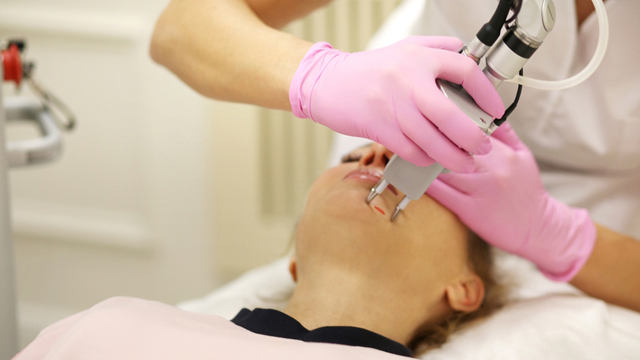
Plan Me Clinic offers a range of dermatological treatments designed to address pigmentation at different depths of the skin, including laser therapy, skin boosters, and general skin management protocols. Rather than defaulting to an aggressive or standardized treatment, the clinic's approach is to match the treatment intensity and method to the specific type, depth, and cause of the pigmentation identified during consultation.
For melasma in particular, treatment is approached with caution. Because melasma can worsen with excessive heat or overly aggressive laser settings, treatment plans often emphasize gradual, controlled sessions combined with strict sun protection, rather than pursuing rapid results that carry a higher risk of rebound pigmentation. This is a critical distinction in melasma care: an approach that appears to deliver fast results can, in some cases, trigger post-inflammatory darkening that leaves the skin worse off than before treatment began.
For sunspots, freckles, and post-inflammatory marks, targeted laser treatment can help break down excess melanin deposits, while skin booster treatments support overall skin health, hydration, and tone evenness as part of a broader skincare strategy. Skin boosters, in particular, are often used as a supportive treatment alongside pigment-targeted procedures, as improving overall skin hydration and barrier function can make the skin more resilient and better able to recover between sessions.
Because pigmentation rarely responds to a single mechanism of treatment, many patients benefit from a layered approach — combining, for example, gentle laser sessions with topical care and skin boosters — rather than relying on one treatment in isolation.
Who Is a Suitable Candidate?

Not every patient with visible pigmentation is an immediate candidate for the same treatment. During consultation, the clinic considers several factors before recommending a course of action:
The type and suspected cause of the pigmentation (hormonal, sun-induced, inflammatory, or genetic)
The estimated depth of the pigment (epidermal, dermal, or mixed)
Skin sensitivity and history of previous reactions to laser or light-based treatments
Current medications, pregnancy status, or hormonal conditions that may influence melasma
Lifestyle factors such as sun exposure habits and consistency with aftercare routines
Realistic expectations regarding timeline and degree of improvement
Patients with active skin infections, certain inflammatory skin conditions, or unrealistic expectations about immediate, complete pigment removal may be advised to delay treatment or consider a modified approach. Pregnant or breastfeeding patients are typically advised to postpone active pigment treatment, as melasma often develops during these periods and may partially improve on its own once hormone levels stabilize. This assessment reflects the clinic's stated philosophy of recommending only medically appropriate and necessary solutions.
The Procedure Process
A typical pigmentation treatment journey at Plan Me Clinic follows a structured process:
Initial consultation: A one-on-one review of skin condition, medical history, and aesthetic concerns with the Director
Diagnosis and planning: Identification of pigmentation type and depth, and development of an individualized treatment plan with a realistic timeline
Treatment session(s): Laser or skin booster treatment performed according to the agreed plan, with settings adjusted to the patient's skin type and condition
Aftercare guidance: Instructions on sun protection, skincare products, and activities to avoid during recovery
Interval monitoring: Short-term follow-up to check the skin's response and adjust subsequent sessions if needed
Follow-up assessment: Monitoring of results over subsequent sessions, since pigmentation—particularly melasma—often requires a multi-session approach rather than a single treatment
Patients are generally advised that visible improvement develops gradually over a series of sessions rather than after a single visit, and that consistent aftercare between sessions plays a significant role in how well the skin responds over time.
Doctor's Expertise

Care at Plan Me Clinic is led by Dr. Seung-hwan Lee, who holds a Bachelor's, Master's, and Ph.D. from Korea University College of Medicine. Dr. Lee completed his internship at Korea University Medical Center in 2001, followed by residency training and specialist qualification from 2002 to 2004 at the same institution. His clinical background also includes service as a flight surgeon and Chief of Medical Squadron with the 5th Air Force Tactical Airlift Wing from 2005 to 2007, as well as a clinical fellowship at Korea University Anam Hospital and a clinical assistant professorship at Guro Hospital from 2008 to 2012.
This combination of academic training, military medical leadership, and university hospital experience has shaped a treatment style grounded in medical rigor rather than trend-driven procedures. In the context of pigmentation care, this background translates into a cautious, evidence-informed approach — particularly important for a condition like melasma, where overly aggressive treatment can do more harm than good.
Hospital Strengths
Since opening near Seolleung Station in 2014, Plan Me Clinic has maintained a consistent, consultation-first model of care. Every treatment plan begins with a personal review by the Director, and the clinic emphasizes recommending only necessary procedures rather than upselling services. This approach has allowed the clinic to serve approximately 5,000 patients annually while preserving the depth of personal attention associated with smaller, more focused practices.
Located on the 7th floor of Apex Tower, the clinic is easily accessible by subway and offers on-site mechanical parking, making it a practical option for both local patients and international visitors seeking pigmentation care in Seoul's Gangnam medical district. The clinic has operated at the same location for more than a decade, offering continuity of care and consistency of medical staff — factors that are particularly valuable for chronic, recurrence-prone conditions like melasma, where patients often benefit from ongoing management with the same physician over time rather than one-off treatment visits.
Recovery, Safety, and Realistic Outcomes
Recovery from pigmentation treatments varies depending on the method and depth of the procedure but is generally associated with minimal downtime. Mild redness, warmth, or sensitivity may occur temporarily following laser treatment, and patients are advised to maintain diligent sun protection afterward, as UV exposure is a primary factor in both causing and worsening pigmentation. Daily use of broad-spectrum sunscreen, along with physical sun protection such as hats or shade, is typically emphasized as a non-negotiable part of aftercare, particularly for melasma patients.
It is important for patients to understand that melasma, in particular, is a chronic condition that can recur, meaning ongoing maintenance and sun avoidance are typically necessary even after visible improvement. Heat exposure — from sunlight, saunas, or certain skincare devices — can also reactivate melasma, so patients are often counseled on managing these triggers as part of long-term care.
Results also vary by individual, and treatment outcomes should be viewed as gradual improvement in skin tone and clarity rather than guaranteed complete removal of pigmentation. Setting realistic expectations from the outset — rather than promising complete or permanent resolution — is a central part of how pigmentation care is approached, particularly given how easily melasma can be worsened by treatments that prioritize speed over safety.
Final Thoughts
Melasma and pigmentation are common but complex skin concerns that benefit from an individualized, medically grounded approach rather than generic treatment. Understanding the type and depth of one's pigmentation, along with realistic expectations about timeline and maintenance, is often just as important as the treatment itself. At Plan Me Clinic, patients receive a thorough consultation with Dr. Seung-hwan Lee before any treatment plan is proposed, reflecting a broader clinic philosophy that prioritizes patient safety, necessity, and long-term skin health over quick fixes.
More Articles
Continue reading our clinical guides.